Asleep Before the Problem Starts: Sleep Apnea, Testosterone, and the Real Story Behind Stubborn ED
For a lot of men in their late forties and fifties, the pattern looks familiar. Energy fades by mid-evening. Mornings feel less like mornings. Intimacy becomes inconsistent, then frustrating, then avoided. The usual explanation — getting older — is comfortable, familiar, and frequently wrong.
At TadaCialis, we spend a great deal of time on tadalafil itself: dosing, interactions, safety. But an honest discussion of erectile dysfunction (ED) has to include the conditions that cause it, and one of the most underdiagnosed is obstructive sleep apnea (OSA). Roughly 30 million American men and women have sleep apnea by some estimates, and a large share of them have never been tested. Among men seeking treatment for ED, the overlap is striking — studies have found sleep-disordered breathing in a substantial percentage of men with erectile complaints, particularly those who also report fatigue, loud snoring, or morning headaches.
Why a Sleep Disorder Shows Up in the Bedroom
Obstructive sleep apnea does its damage in two ways that matter for sexual health.
First, there is the hormonal route. Testosterone is produced primarily during sleep — specifically during the deep, restorative stages that OSA repeatedly interrupts. Each apneic episode, where the airway collapses and breathing stops, jolts the body out of those stages. Men with untreated sleep apnea often show measurably lower morning testosterone than men who sleep well, and low testosterone in turn reduces libido, erectile firmness, and overall energy. It becomes a loop: poor sleep lowers hormones, lower hormones erode confidence and desire, and the stress of that erosion makes the next night's sleep worse.
Second, there is the vascular route. Erections depend on healthy blood vessels and the endothelium — the delicate inner lining that produces nitric oxide and signals arteries to dilate. Chronic intermittent low oxygen, night after night, promotes inflammation and stiffening in those vessels. Sleep apnea also raises blood pressure and is closely linked to the same cardiovascular risk factors that cause vascular ED in the first place. In other words, OSA attacks the plumbing of erection from two directions at once.
Snoring Is Not the Only Clue
Many men assume that unless their partner has complained about snoring, sleep apnea is not on the table. That assumption misses a lot of cases. The more complete checklist includes:
- Waking unrefreshed despite a full night in bed
- Afternoon drowsiness strong enough to make highway driving or desk work risky
- Nighttime urination, especially two or more trips
- Morning headaches or a dry, sore throat on waking
- Witnessed pauses in breathing — the classic sign, but often absent
- Difficulty with concentration or mood flattening
- Body weight concentrated around the neck and midsection, or a collar size above 17 inches
If several of these sound familiar, the conversation to have with a primary care physician is straightforward: "I'd like to be screened for sleep apnea."
What a Sleep Study Actually Involves
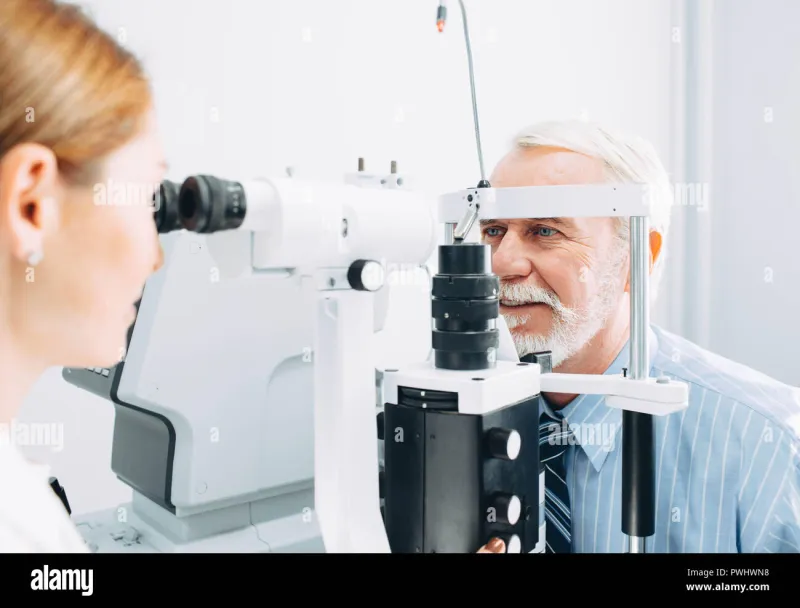
The barrier to testing is lower than most men expect. Historically, diagnosis required an overnight stay in a sleep lab wired to monitors. Today, many US patients qualify for a home sleep apnea test — a small portable device worn for one to three nights that records airflow, breathing effort, and blood oxygen. Results are scored using the apnea-hypopnea index (AHI), which counts breathing interruptions per hour. Broadly, an AHI of 5 to 15 suggests mild apnea, 15 to 30 moderate, and above 30 severe.
Insurance, including Medicare, generally covers testing and treatment when symptoms and risk factors support it, though prior authorization requirements vary by plan. The point is that suspicion of sleep apnea is not a dead end of paperwork and lab nights; it is frequently a one- or two-week process.
CPAP, Adherence, and What the Research Shows
The standard treatment is continuous positive airway pressure — CPAP — a machine that delivers a gentle stream of air through a mask to hold the airway open. Compliance has a reputation problem, and fairly so: masks leak, straps feel awkward, and some men quit in the first month. But adherence has improved markedly with modern mask designs, heated humidification, and apps that track nightly use.
What matters for this discussion is the outcome data. Research on men with both ED and OSA consistently finds that regular CPAP use improves erectile function scores compared with untreated apnea — with several studies showing meaningful gains, particularly among men who use the machine most nights. Not every man returns to baseline function, and men with severe vascular disease may still need pharmacologic help. But treating the sleep disorder changes the underlying physiology in a way no pill can: testosterone often recovers, endothelial inflammation eases, and nighttime oxygen levels normalize.
There is also a practical note for couples. Restored sleep tends to restore mood and energy on both sides of the bed, which is not a small variable in intimacy.
Where Tadalafil Fits — and Where It Doesn't
None of this makes tadalafil irrelevant. Far from it. For men waiting for CPAP results, adjusting to a new mask, or working through weight-loss efforts that will take months, tadalafil serves as an effective bridge. Its pharmacology is well understood: as a PDE5 inhibitor, it supports the nitric oxide pathway that allows arterial smooth muscle to relax and blood to fill the erectile tissue. The 36-hour window of the on-demand 10 mg and 20 mg doses, or the steady-state daily 5 mg option, gives flexibility that fits real life.
Two cautions deserve emphasis. First, tadalafil treats the symptom pathway, not the cause. A man with untreated severe apnea, low testosterone, and worsening cardiovascular risk is managing a signal while the disease progresses. Second, tadalafil is contraindicated with nitrate medications and requires medical review in men with significant heart disease or uncontrolled blood pressure — conditions that untreated sleep apnea actively worsens. Fixing the breathing problem often improves the very cardiovascular profile that determines whether ED medication is safe to use.
A Better Sequence of Questions
The men who fare best tend to ask their questions in a different order than most. Before "which pill should I take?" comes "why is this happening?" Before "is this just age?" comes "how well am I actually sleeping?"
If fatigue, snoring, and erectile changes arrived together, raise sleep apnea with your physician before assuming the answer is a prescription alone. A home sleep test is inexpensive, widely available, and occasionally the single most consequential test a middle-aged man never knew he needed. Tadalafil remains a proven, well-tolerated option — but it works best as part of a plan that addresses the man, not just the mechanism.