Negotiated Prices, Generic Competition, and Your Wallet: How 2026 Drug Pricing Reform Reaches Tadalafil Users
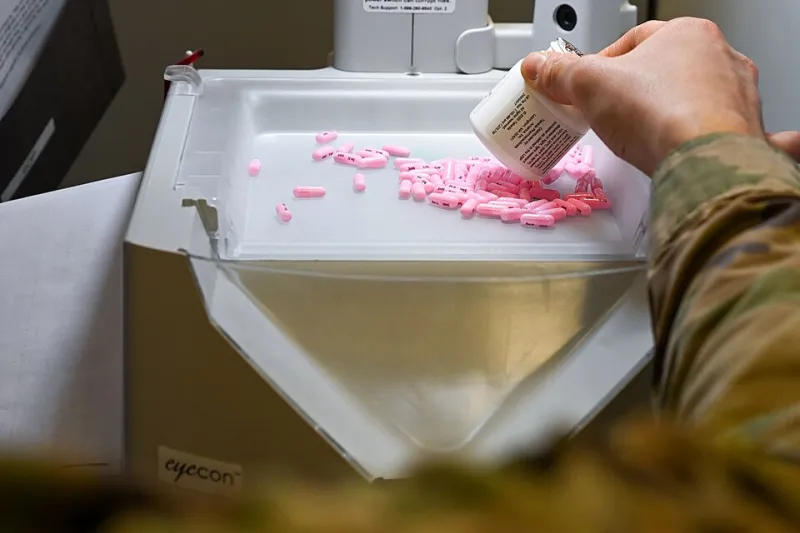
Photo: U.S. Air Force photo by Senior Airman Jessica Sanchez-Chen, Public domain, via Wikimedia Commons
When federal drug price negotiations first made national news, most coverage focused on blockbuster drugs for diabetes, heart failure, and blood thinners. Tadalafil was not among the first group of selected medications — and for good reason. The brand-name product, Cialis, lost its patent exclusivity years ago, and generic tadalafil now dominates the market. Still, the pricing machinery set in motion by the Inflation Reduction Act is reshaping how every prescription, including tadalafil, moves through the American pharmacy system. Understanding that machinery matters whether you carry a Medicare card or pay out of pocket.
Why Tadalafil Was Never on the Negotiation List
The Medicare negotiation program targets drugs that remain under patent protection and account for the largest share of federal spending. Tadalafil fails both tests in practical terms. Once the 2017–2020 patent expirations opened the floodgates, multiple generic manufacturers entered the market, and competition did what competition does: it drove prices down dramatically.
This is worth pausing on, because it reframes the entire conversation. For most medications, negotiation is the tool of last resort when monopoly pricing has run unchecked for decades. Tadalafil represents the opposite scenario — a drug whose price was disciplined by market entry before federal negotiators ever picked up the phone. A month's supply of generic tadalafil routinely costs less than a restaurant lunch, a fact that would have been unthinkable in the Cialis-only era.
What the 2026 Changes Actually Do
The reforms rolling out through 2026 affect tadalafil users in indirect but genuine ways:
The $2,000 out-of-pocket cap. Beginning in 2025, Medicare Part D plans cap annual out-of-pocket drug spending at $2,000, with the cap carrying into 2026. For men juggling multiple prescriptions — statins, blood pressure medications, tadalafil among them — this ceiling changes the calculus of medication affordability. Tadalafil itself rarely threatens the cap, but it now rides along within a system where no single year of prescriptions can become financially ruinous.
Insulin-style pricing spillover. The psychological effect of negotiated prices has pushed plan formularies toward aggressive generic tiering. Many Part D plans now place generic tadalafil in the lowest cost-sharing tier, sometimes with $0 copays under preferred pharmacy arrangements.
Manufacturer behavior. With the threat of negotiation looming over any drug that raises prices faster than inflation, brand manufacturers across the board have moderated price increases. This rarely makes headlines, but it slows the erosion of affordability across an entire formulary.
Who Benefits — and Who Doesn't
Medicare beneficiaries with multiple chronic prescriptions gain the most from the 2026 landscape. The cap, the tiering changes, and the plan-level pressure to favor generics all compound in their favor.
Men without Medicare — commercially insured, under 65, or uninsured — occupy a more complicated position. Commercial insurers are not bound by the negotiation program, and cash prices at retail pharmacies can vary wildly from one zip code to the next. A tadalafil prescription that costs $8 at one chain might ring up at $40 across the street. The federal reforms do nothing to standardize that experience.
Borrowing the Negotiators' Playbook Without Medicare
Here is the practical irony: the strategies federal negotiators use are strategies any informed patient can imitate at smaller scale.
Compare like a negotiator. Federal negotiators benchmark prices against international references and therapeutic alternatives. You can benchmark locally. GoodRx, SingleCare, and Cost Plus Drugs publish cash prices that frequently undercut insurance copays. For generic tadalafil, the discount-card cash price is often lower than what runs through your insurance — and it skips the deductible entirely.
Ask for the 90-day version. Just as negotiators extract volume discounts, pharmacies extend them. A 90-day fill of daily tadalafil typically costs meaningfully less per tablet than three 30-day fills.
Consider the higher-strength tablet. Tadalafil tablets are often priced similarly across strengths. Splitting a 20 mg tablet under a physician's direction can effectively halve the per-dose cost for on-demand users. Confirm this with your prescriber and pharmacist first, since scored tablets and dose precision matter.
Use telehealth pricing transparently. Legitimate telehealth platforms increasingly bundle the consultation with the medication at a flat monthly rate. For daily low-dose tadalafil, these bundles can compete with traditional pharmacy pricing — provided the platform is licensed and requires a genuine medical review.
The Safety Note That Never Changes
Cost-saving strategies should never include offshore websites offering tadalafil without a prescription. The FDA has repeatedly found counterfeit ED medications containing wrong doses, wrong ingredients, or outright contaminants. The legitimate savings channels described above all begin with a valid prescription — a requirement that protects you, not the pharmaceutical industry.
The Bottom Line for Your Next Refill
The 2026 pricing reforms will not appear on your tadalafil receipt as a line item, because tadalafil never needed rescuing in the first place. Generic competition already delivered the outcome negotiators pursue. But the surrounding architecture — the out-of-pocket cap, the generic-first formulary pressure, the price-increase restraint — creates a friendlier environment for the millions of men who fill this prescription alongside others.
The actionable takeaway is simple: whether you are on Medicare or not, treat your refill like a negotiator would. Compare cash prices against insurance, ask about 90-day fills and tablet splitting, and let competition work for you the way it already worked for this medication. Tadalafil's pricing story is, in the end, a rare bit of good news in American pharmaceutical economics — and knowing how that story happened puts you in a position to benefit from it.