Blood Pressure on the Court: A Midlife Athlete's Guide to Tadalafil and Hard Training

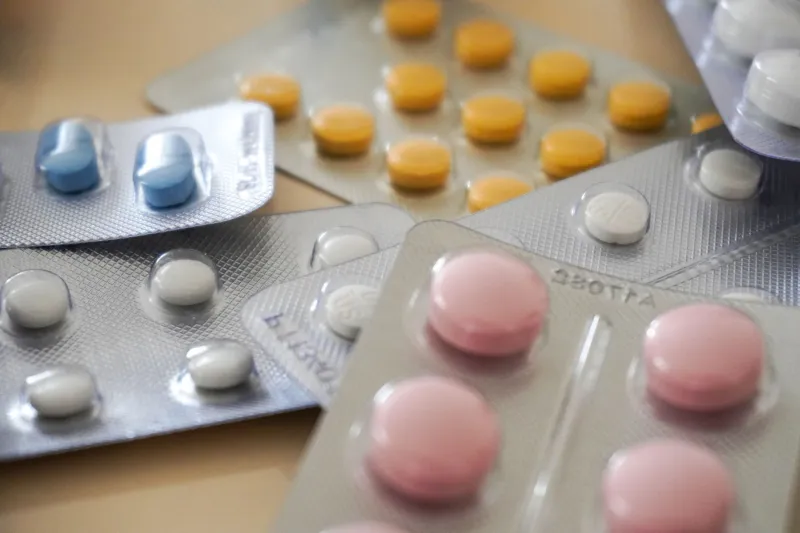
Photo: Davyimage, CC BY-SA 4.0, via Wikimedia Commons
The Saturday pickup game doesn't slow down just because you turned 55. Neither does the 6 a.m. Peloton class, the half-marathon training plan, or the hot yoga studio membership your spouse talked you into. For a growing number of American men over 50, an active lifestyle and a tadalafil prescription coexist quite comfortably — but the combination raises questions that most quick medication guides never address.
Tadalafil is a vasodilator. So is exercise. Understanding what happens when those two forces stack on top of each other is the difference between a great workout and a spell of lightheadedness on the way to the water fountain.
Why the Pill and the Workout Both Work on Your Blood Vessels
Tadalafil belongs to a drug class called PDE5 inhibitors. Its core mechanism is simple to describe and important to respect: it relaxes smooth muscle in blood vessel walls, which widens the vessels and lowers systemic blood pressure. That's precisely why it works for erectile dysfunction and, at lower doses, for benign prostatic hyperplasia.
Moderate exercise does something similar. During aerobic activity, your vessels dilate, your heart rate climbs, and blood gets rerouted toward working muscles. Your cardiovascular system is built to handle this — in a healthy man, the two effects together are usually well tolerated.
The complications show up at the margins: maximal sprints, heavy compound lifts that spike blood pressure briefly, prolonged heat exposure, and dehydration. In those settings, the drug's vasodilation can outpace your body's ability to compensate, and the result is a drop in blood pressure you actually feel.
The Dizziness Isn't in Your Head
Men who report feeling woozy after a hard training session on tadalafil often describe the same pattern: the workout went fine, and then — standing up from the bench, stepping off the treadmill, or walking from a hot yoga room into the hallway — the room tilts.
That's classic post-exercise (and sometimes orthostatic) hypotension. After intense exercise, your muscles act as a pump pushing blood back to the heart. Stop abruptly, and blood pools in the legs while tadalafil is still keeping your vessels wide. Blood pressure dips, and your brain notices first.
A few practical habits reduce the odds considerably:
- Cool down instead of stopping cold. Five to ten minutes of easy walking lets your vascular system recalibrate before you stand still.
- Hydrate before, during, and after. Dehydration shrinks your blood volume, which amplifies any pressure-lowering effect. This matters doubly in July in Texas or an un-air-conditioned garage gym.
- Rethink the hot room. Hot yoga, saunas, and steam rooms all add heat-induced vasodilation on top of the drug's. If you love them, keep sessions shorter and exit at the first sign of lightheadedness.
- Skip maximal lifts on dosing days if you're new to the medication. Heavy squats and deadlifts can push blood pressure to extremes; most men adapt over weeks, but the first month deserves caution.
Timing Your Dose Around Training
For on-demand users, tadalafil's peak plasma concentration arrives roughly two hours after ingestion, and its effective life stretches up to 36 hours. There's no pharmacological requirement to avoid exercise entirely, but some men find it easier to separate the peaks: take the dose in the evening after the day's workout rather than the morning before one.
For daily low-dose users — the 2.5 mg or 5 mg regimens — steady-state levels mean you can't dodge the drug during exercise. The good news is that steady low levels are generally the easiest to train on. Most men on daily dosing report no meaningful exercise limitations after the first couple of weeks.
One more timing note: alcohol and tadalafil don't mix well before workouts. A couple of beers at the company softball game plus the drug plus July heat is a well-documented recipe for a fainting episode on the baseline.
Endurance Events Deserve Extra Planning
If you're registered for a century ride, a triathlon, or a destination hiking trip in the Rockies, mention your tadalafil use when you pick up your race packet or see your physician for a pre-event physical. Prolonged endurance efforts in the heat multiply every factor above: sustained dehydration, electrolyte losses, and hours of vasodilation.
None of this means men on tadalafil can't compete. Many do. It means the preparation checklist gets one extra line item: fluids, electrolytes, and a plan for what to do if dizziness strikes mid-event.
When to Call the Doctor — Not Just Shake It Off
Some lightheadedness during the first week of treatment is common and often resolves. But certain symptoms should never be shrugged away:
- Fainting or near-fainting, even once
- Chest pain, pressure, or unusual shortness of breath during exercise
- A racing or irregular heartbeat that doesn't settle with rest
- Dizziness that worsens over time rather than improving
- Vision changes or an erection lasting longer than four hours (a medical emergency — go to the ER)
Men over 50 with existing cardiovascular disease, those on nitrate medications (an absolute contraindication), or anyone with uncontrolled blood pressure should have a frank conversation with their physician before combining tadalafil with strenuous training at all.
The Bottom Line
For most healthy, active men over 50, tadalafil and exercise are compatible — arguably, regular exercise makes the medication work better and the cardiovascular system more resilient. The key is respecting the physiology: cool down properly, drink more water than feels necessary, ease into hot environments, and treat dizziness as data, not an inconvenience.
Your Saturday game doesn't have to change. Your awareness of what your blood vessels are doing does.