The Interaction Audit: Sitting Down With Your Full Pill Organizer Before Tadalafil Moves In
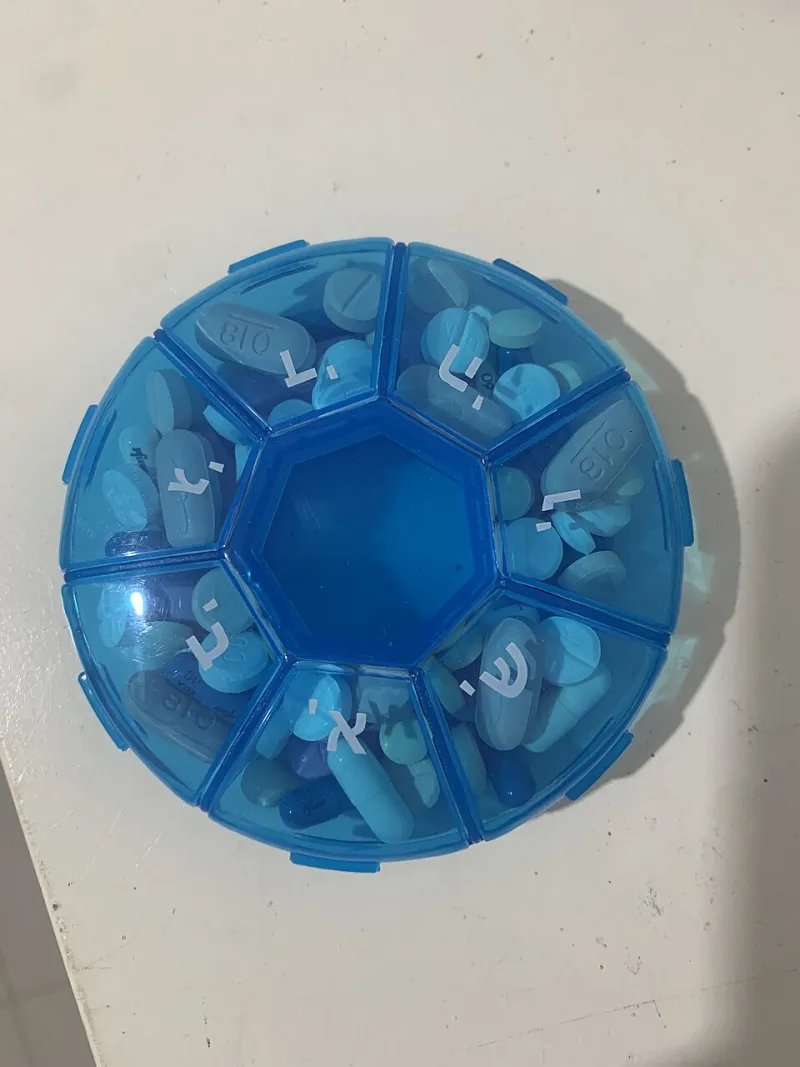
Photo: יוחי טייס, CC BY-SA 4.0, via Wikimedia Commons
Most new prescriptions arrive with a stapled information sheet and a hurried wave from the pharmacy window. What rarely happens is the conversation that matters most: how the new medication gets along with everything already living in your system.
If tadalafil is the newest addition to your regimen, this is that conversation. Think of it as an audit — a systematic walk through the categories of medications and supplements most commonly found in US households, conducted the way a clinical pharmacist would if given twenty unhurried minutes with your pill organizer.
Why the Audit Matters More for Tadalafil
Tadalafil is a long-acting medication with a half-life measured in days, not hours. It doesn't simply pass through; it lingers, at measurable levels, for roughly 36 hours or longer after each dose. That extended residence time means it has more opportunities to collide with other drugs — and those collisions generally happen in one of two ways.
The first is metabolic. Tadalafil is processed primarily by an enzyme in the liver called CYP3A4. Anything that speeds up or slows down that enzyme changes how much tadalafil ends up in your bloodstream.
The second is hemodynamic. Tadalafil relaxes smooth muscle and lowers blood pressure modestly. Stack it on top of other medications that do the same, and the combined effect can outpace what either drug would do alone.
With those two mechanisms in mind, let's open the cabinet.
The Statin Shelf: Generally a Peaceful Coexistence
Atorvastatin (Lipitor) and rosuvastatin (Crestor) sit in an estimated one in three American households with a man over 50. The good news: neither meaningfully interferes with tadalafil at standard doses.
One footnote belongs here, however. Simvastatin is also a CYP3A4 substrate, meaning it competes for the same liver enzyme. For most patients this is a non-issue, but if you take a high simvastatin dose alongside tadalafil, mention it at your next appointment. Your physician may simply confirm your current doses are appropriate — but it's worth the sixty-second conversation.
The Antidepressant Drawer: Mostly Manageable, Occasionally Complicated
SSRIs like sertraline (Zoloft), escitalopram (Lexapro), and fluoxetine (Prozac) are among the most prescribed medications in the country, and many men taking them also deal with erectile dysfunction — sometimes as a side effect of the antidepressant itself. Tadalafil is frequently prescribed precisely for this reason.
Fluoxetine deserves special mention because it inhibits CYP3A4 mildly, which can nudge tadalafil levels slightly upward. This rarely requires a dose change, but it belongs on the record.
The more important interaction here isn't chemical at all: certain antidepressants and tadalafil can both, in rare cases, affect heart rhythm. Men with existing arrhythmias should make sure their prescribing physician knows about both medications. For everyone else, this pairing is common, well-studied, and usually uneventful.
The Reflux Aisle: A Timing Question, Not a Danger Zone
Proton pump inhibitors such as omeprazole (Prilosec) and pantoprazole (Protonix) don't meaningfully alter tadalafil levels. H2 blockers like famotidine (Pepcid) behave similarly.
The practical note here involves the tadalafil tablet itself, not the interaction: taking it alongside a large, fatty meal can slow absorption modestly. If you take your reflux medication before breakfast and your tadalafil at the same time, you're fine — just don't expect identical results on a heavy-brunch morning versus a light one.
The Sleep Aid Basket: Proceed With Awareness
Over-the-counter sleep aids vary widely, and this is where the audit gets less forgiving.
Prescription sleep medications like zolpidem (Ambien) don't interact dangerously with tadalafil, but both can cause dizziness. Taking them in proximity increases the chance of lightheadedness when you stand up — a particular concern for men over 65 or anyone on blood pressure medication.
A more serious flag: some men use OTC antihistamines like diphenhydramine (Benadryl) as sleep aids. Antihistamines have anticholinergic effects that can worsen urinary retention — a real consideration for men already managing benign prostatic hyperplasia, a condition for which tadalafil is sometimes prescribed.
The Supplement Shelf: Where Assumptions Live
Supplements don't require prescriptions, which leads many patients to assume they don't require disclosure. Resist that assumption.
- Fish oil (omega-3s): Generally fine. Very high doses have mild blood-thinning effects, but standard supplement doses don't conflict with tadalafil.
- Melatonin: No meaningful interaction. Drowsiness can stack, so note the timing.
- St. John's Wort: The exception that proves the rule. It strongly induces CYP3A4, potentially lowering tadalafil levels enough to blunt its effect. If you take it, tell your prescriber.
- L-arginine and "male vitality" blends: These are nitric oxide pathways in supplement form. Combined with a PDE5 inhibitor, they can push blood pressure lower than intended. Products sold at gas stations and online as "natural alternatives" have repeatedly been found to contain undeclared tadalafil itself — a genuinely hazardous doubling-up.
- Grapefruit products: Not a supplement, but a frequent breakfast item that inhibits CYP3A4. A glass of grapefruit juice with your morning tadalafil isn't a crisis, but daily consumption warrants a mention to your pharmacist.
Running Your Own Audit: Three Questions
You don't need a pharmacology degree to catch the majority of problems. Before your next refill or appointment, line up everything you take — prescriptions, supplements, and the OTC bottles you've stopped noticing — and ask:
- Does anything on this list affect blood pressure or heart rhythm? If yes, your prescriber should know all of them.
- Am I taking anything herbal or marketed for energy, vitality, or weight loss? These are the most common hiding places for hidden interactions.
- Has anyone actually reviewed this full list together — not just the prescriptions? If the answer is no, that's the audit's most valuable finding.
When to Call Versus When to Adjust
Some situations deserve a phone call before your next dose: new chest symptoms, fainting or near-fainting, a pounding heartbeat that doesn't settle, or an erection lasting beyond four hours — the last of which is an emergency-room matter, not a phone-call one.
Most other findings from an audit are timing adjustments or documentation updates: moving a supplement to evening, flagging St. John's Wort for the prescriber, or simply making sure every clinician in your life sees the same complete list.
Tadalafil is a well-tolerated medication with a long track record. Its reputation for safety holds up best when it isn't operating in secret. Ten minutes with your pill organizer — and one honest list handed to your pharmacist — is the cheapest insurance in men's health.